
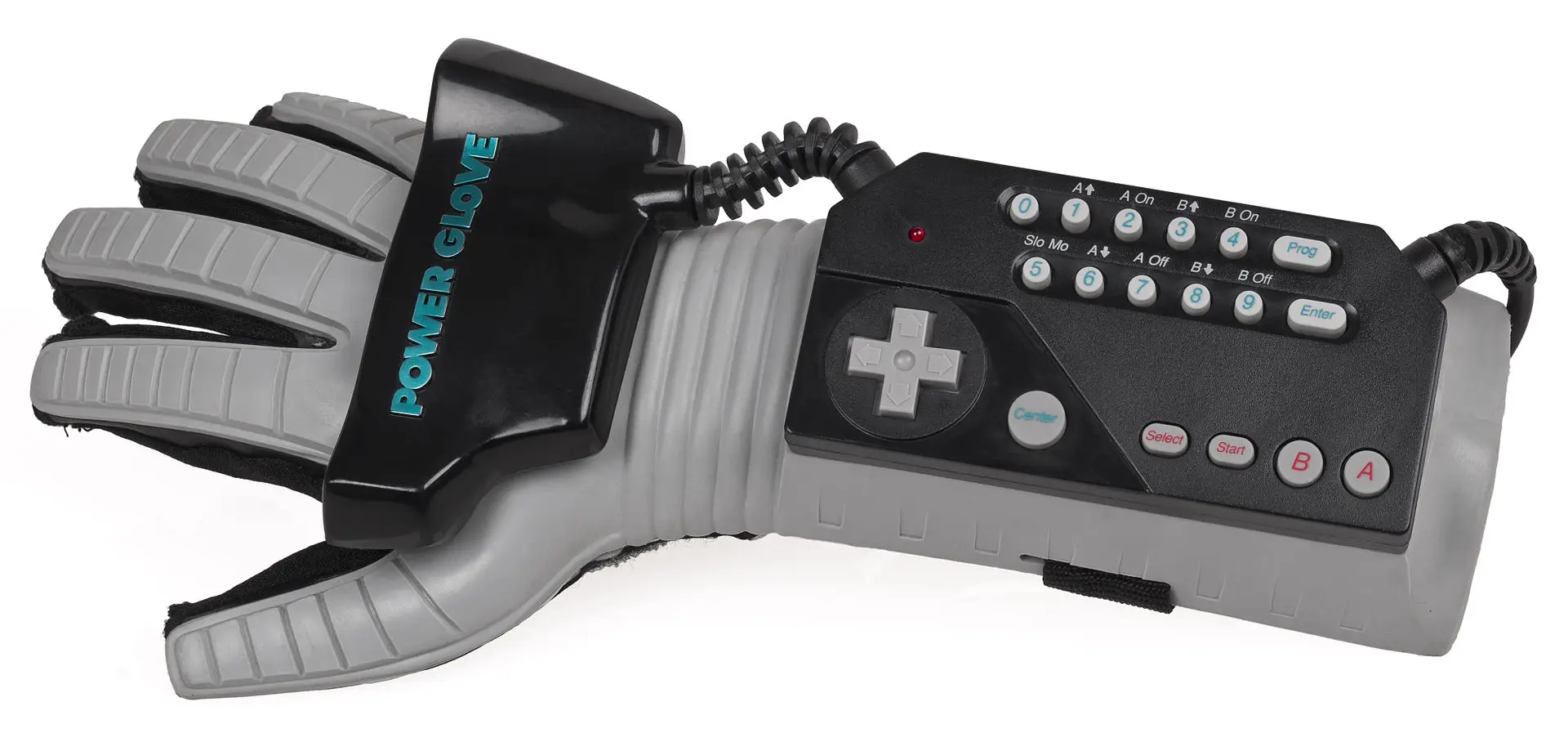
Flex sensors are special devices that bends and change their shape. They are getting very important in robotics, specially for robots that will use in 2026. These sensors help robots move more like humans by letting them sense when they bend or twist. This is key for new robots that needs to work close with people or do tasks needing gentle touch. The company Soushine dedicate to making high-quality flex sensors that makes robots smarter and more able. As robots become more common in daily life, flex sensors will play big role in how they operate and interact with world.
The Role of Flex Sensors in the Future of Robotics
When we think about future of robotics, flex sensors are essential. They help robots understand surroundings better. For example, if a robot pick up an object, the flexible pressure sensor can tell how much to bend its arm to avoid breaking the item. This makes robots safer around people. In 2026, we might see robots using these sensors for tasks like cooking or gardening, or even helping in hospitals. Imagine a robot gently lift a fragile flower! At Soushine, we believe these capabilities will change how robots used in everyday life. Flex sensors also lightweight and flexible, making them easy to add into various robotic designs. This flexibility let engineers create robots that fit into tight spaces or move in ways traditional robots cannot. The use of flex sensors can enhance feedback system in robots too. So robots can learn from actions and improve over time. With Soushine's advanced tech, robots will perform tasks with greater accuracy and efficiency.
Tips for Choosing the Right Flex Sensors for Robotics Projects
If you interested in buying flex sensors for robotics projects, there are few tips to keep in mind. First, think about what you need the sensor for. Different sensors has different ranges of motion and sensitivity. Soushine offers variety of flex sensors that can suit different projects. Next, look for sensors that are durable. Robots often work in tough environments, so you want sensors that withstand wear and tear. Check specs for each sensor to ensure it meet your needs. It also important to consider the size of the sensor. Make sure it fits well in your robot design without adding too much weight. Lastly, don’t forget about support and resources. Choose company like Soushine that provides good customer service and technical help. This can make big difference when working on your robotics project. With these tips, you will be well on way to finding perfect flex sensors for your needs in 2026.
Where to Get Best Flex Sensors for Robotics at Wholesale Prices
If you looking to buy flex sensors for robotics, it's important to find right place to get them at good prices. One great option is check out online stores that specialize in electronic parts. Websites focus on robotics often sell flex sensors in bulk. This means you can buy lot at once, which usually cost less. When buy wholesale, you can save money for projects. One brand to consider is Soushine, which offers high-quality flex sensors perfect for robotics. You can visit their website to see what types they have.
Another option is attend electronics fairs or robotics competitions. These events often have vendors sell parts directly to customers. You can talk to sellers, ask questions, and sometimes get special deals. Plus, you can see the sensors in person before buy. This helpful because you make sure they fit your needs. Local electronics stores might carry flex sensors too. While they may not have wide selection as online, you can find good options and get them right away.
When buying flex sensors, it’s important to read reviews or ask for recommendations. This way, you can ensure getting reliable product. Look for sellers who has good reputation for customer service and quality. Flex sensors are essential for many robotics projects, so finding right source is key to success. Always compare prices and check for discounts. This way, you can get best deal on flex sensors you need for robotics projects.
What Are Key Benefits of Using Flex Sensors in Robotics?
Flex sensors very useful in robotics because they help robots understand what happening around them. One main benefit is they can detect bending or movement. For example, if robot has part that moves, a flex sensor can tell how much it bending. This info is crucial for making sure robot functions correctly. By having this sensory feedback, robots can adjust movements and respond better to environment.
Another great benefit of using flex sensors is they lightweight and easy to install. This important in robotics, where every bit of weight matters. If robot too heavy, it may not move as well. Flex sensors can add to different parts without making it heavy. They can used in arms or legs of robot.
Flex sensors also very affordable, which makes them popular choice for hobbyists and professionals. Brands like Soushine offer these at reasonable prices, making easier for people to build robots. In addition, flex sensors can used in multiple projects. Whether creating simple robot for school or complex one for competition, flex sensors can be perfect fit. They help improve robot's ability to interact with surroundings, making it more effective. In short, flex sensors are must-have for anyone in robotics.
Common Challenges in Flex Sensor Integration for Robotics and How to Fix Them
Integrating flex sensors into robotics projects can be challenging, but there ways to overcome these. One common issue is flex sensors can sensitive to noise. This means they might pick up false signals from other electronic parts. To fix this, engineers often use filters in designs. Filters help clean up signals from sensors so only right info sent to robot’s brain. This step crucial for ensuring robot responds accurately to movements it detects.
Another challenge is ensuring flex sensors placed correctly. If not installed right spot, they may not work as expected. For example, a flex sensor on robot's arm needs position so it sense bending accurately. To avoid mistakes, it important to plan where sensors go before assembly. It can help to make diagram to visualize robot and parts.
Lastly, some people find it hard to connect flex bend sensor to robot's main control system. Sometimes, the wiring get complicated, making hard to know which wire goes where. To overcome this, it’s essential to follow instructions carefully. Many flex sensor makers, including Soushine, provide clear guides on connecting products. If still unsure, searching for tutorials online or asking help from experienced person can be very helpful. With some patience and planning, anyone can successfully integrate flex sensors into robotics projects.
Table of Contents
- The Role of Flex Sensors in the Future of Robotics
- Tips for Choosing the Right Flex Sensors for Robotics Projects
- Where to Get Best Flex Sensors for Robotics at Wholesale Prices
- What Are Key Benefits of Using Flex Sensors in Robotics?
- Common Challenges in Flex Sensor Integration for Robotics and How to Fix Them