
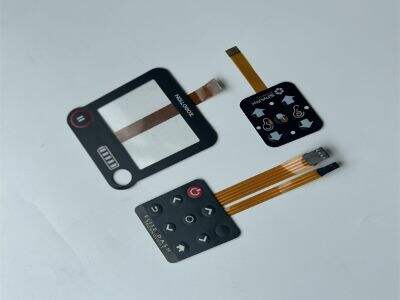
Flex sensors are special tools that helps measure bending and movements. They get used in lots of devices, like robots or video game controllers, and wearables too. At Soushine, we aim to make our flex sensors strong and exact. This article share some key tips so you can learn how to keep flex sensors lasting long and precise.
What Common Usage Issues Affect Flex Sensor Performance?
Using flex sensors sometimes cause problems that makes them less good. One big issue is bending them too much or too frequent. If a sensor bends extreme, it might break or not work right. For example, in a wearable that tracks moves, if it bends a lot, the sensor can fail after time. Another problem come from dirt and wet. When sensor gets dirty or moist, it affects the working. Like, if used outside in rain, the water can make it stop. So, it's key to keep them clean and dry. Also, temperature play a role. Extreme hot or cold changes how sensor perform. In hot areas, it lose accuracy for bending measure. And if not installed good, it leads to bad readings. This happen when not attached firm or placed wrong spot. Last, using it for wrong purpose can cause fail. Try light sensor in heavy work, and it breaks. To keep flex sensors good, users should think about use and care them proper.
What Wholesale Options are Available for Custom Flex Sensor Designs?
When you look for custom flex sensors, there is many choices out there. At Soushine, we provide variety to fit needs. First, pick the size you want. Some apps need small ones for tight spaces, others big for large moves. Another choice is the material. Diff materials give diff flexibility and strength. For instance, some resist water better, good for outside. You can also set the sensitivty. Some need very exact readings, others okay with less. Depend on use, choose how sensitive it be. In addition, think about shape. Flat ones common, but we make unique shapes for special designs. When buy wholesale, price is lower, which help businesses. Plus, get more quantity for projects. Overall, with a company like Soushine, you create sensors that match exact needs, making sure durable and precise for apps.
How to Optimize Flex Sensor Precision for Enhanced User Experience?
Flex sensors are special tools that can measure bending or flexing. To ensure they work good and give right readings, focus on precision is important. At Soushine, we think well-made flex sensor improve user experience a lot in devices, from wearables to smart stuff.
First, select right materials key. Good materials help sensor respond better to moves. Using flexible strong ones ensure it last longer and give accurate data. It's like tough rubber that stretch without break. Next, proper calibration essential. That means adjust so it measure correct. Do this in making or by user sometimes. When calibrated right, it gives precise every bend. Also, where you place it matters. Right spot make it more responsive with better data. For example, in a glove on fingers, it track hand moves accurate.
Another thing is reduce interference. Other signals can confuse sensor and cause wrong readings. By design with shield or special circuits, we cut this and boost precision. Finally, regular check help keep it best. Like cleaning devices to run smooth, look for wear ensure reliable over time. With this, Soushine make flex sensors that work well and give great user feel, making devices more fun and effective.
What Trends are Influencing the Demand for Flex Sensors in the Market?
Flex sensors get more popular, and some trends drive this demand. At Soushine, we watch these to stay ahead. One big trend is wearable tech growth. People use smartwatches, fitness trackers now. These often need flex sensors to track moves and give feedback. As folks get more health focus and tech smart, need for good sensors rise.
Another is VR and AR rise. In these, know user moves crucial for real feel. Flex sensors track body, make games immersive. This push for better sensors with real-time data.
In addition, robotics and automation interest grow. Sensors used in robot arms to detect moves. Industries want smarter automate, so demand for quality ones likely up. Last, sustainability matter more. Companies look eco materials. At Soushine, we use green practices in production, attract env care customers. That's why understand trends help meet customer needs and innovate in market.
How to Troubleshoot Common Flex Sensor Issues for Better Performance?
Sometimes flex sensors have issues that affect working. At Soushine, we help users fix these to keep performance best. One common is wrong readings. If sensor not give right data, first check connections. Loose wires disrupt sending info. Secure them often solve it.
Another is damage from use. Over time, sensors wear, esp if frequent. If not respond good, inspect for cracks or bends. That affect perform. If damaged, replace to get accurate.
Env factors impact too. Extreme temp or humid make it act odd. In harsh spots, use covers or pick right sensor. Also, calibration problems happen. Wrong set lead to bad measures. Fix by follow maker guide to recalibrate.
Last, if still trouble, look manual or contact support. At Soushine, we here to help with problems. By know troubleshooting, users get better from sensors and max device use.
Table of Contents
- What Common Usage Issues Affect Flex Sensor Performance?
- What Wholesale Options are Available for Custom Flex Sensor Designs?
- How to Optimize Flex Sensor Precision for Enhanced User Experience?
- What Trends are Influencing the Demand for Flex Sensors in the Market?
- How to Troubleshoot Common Flex Sensor Issues for Better Performance?