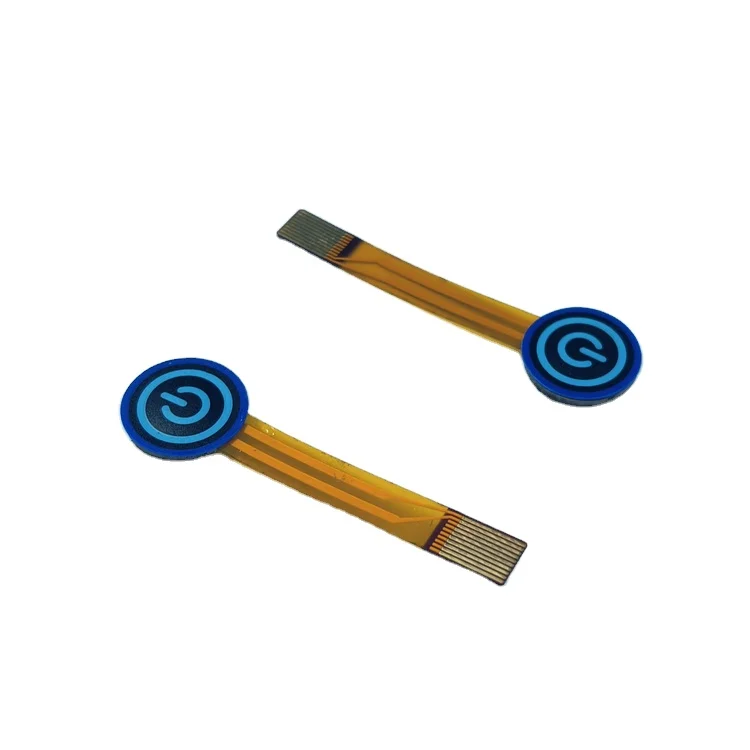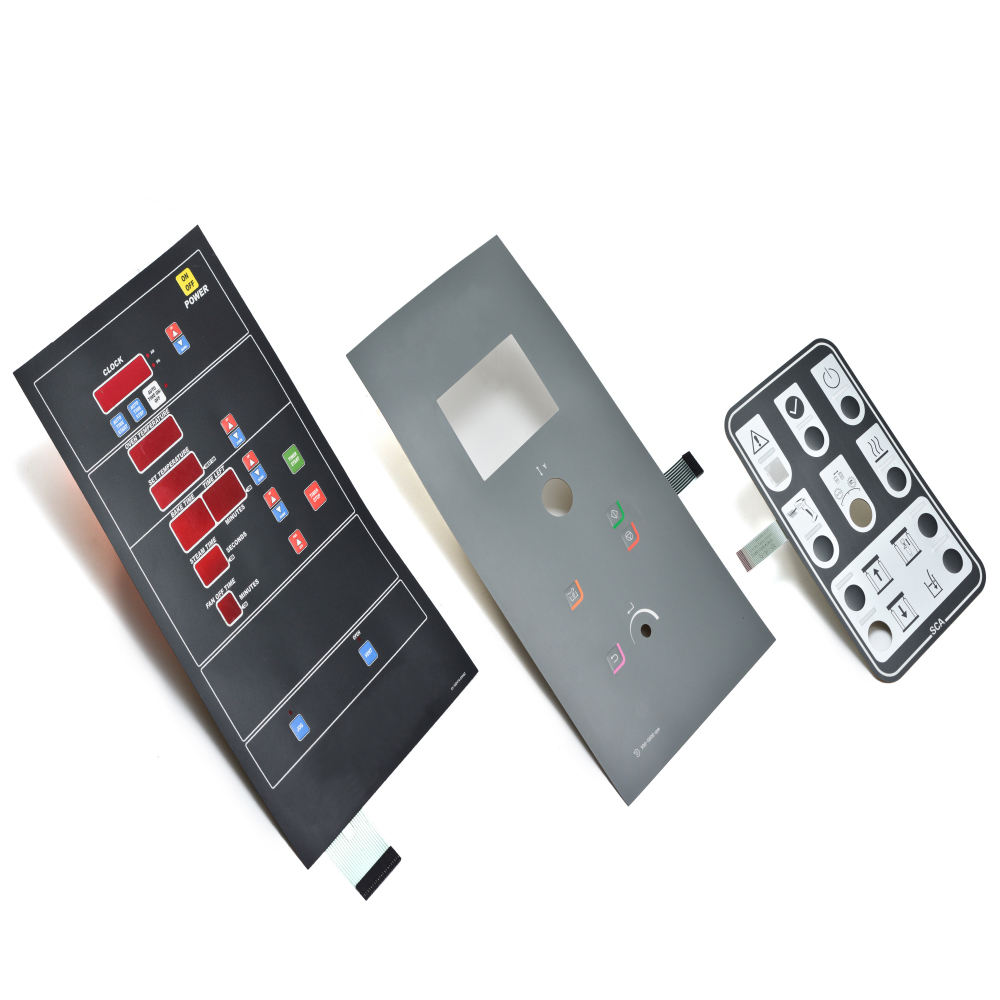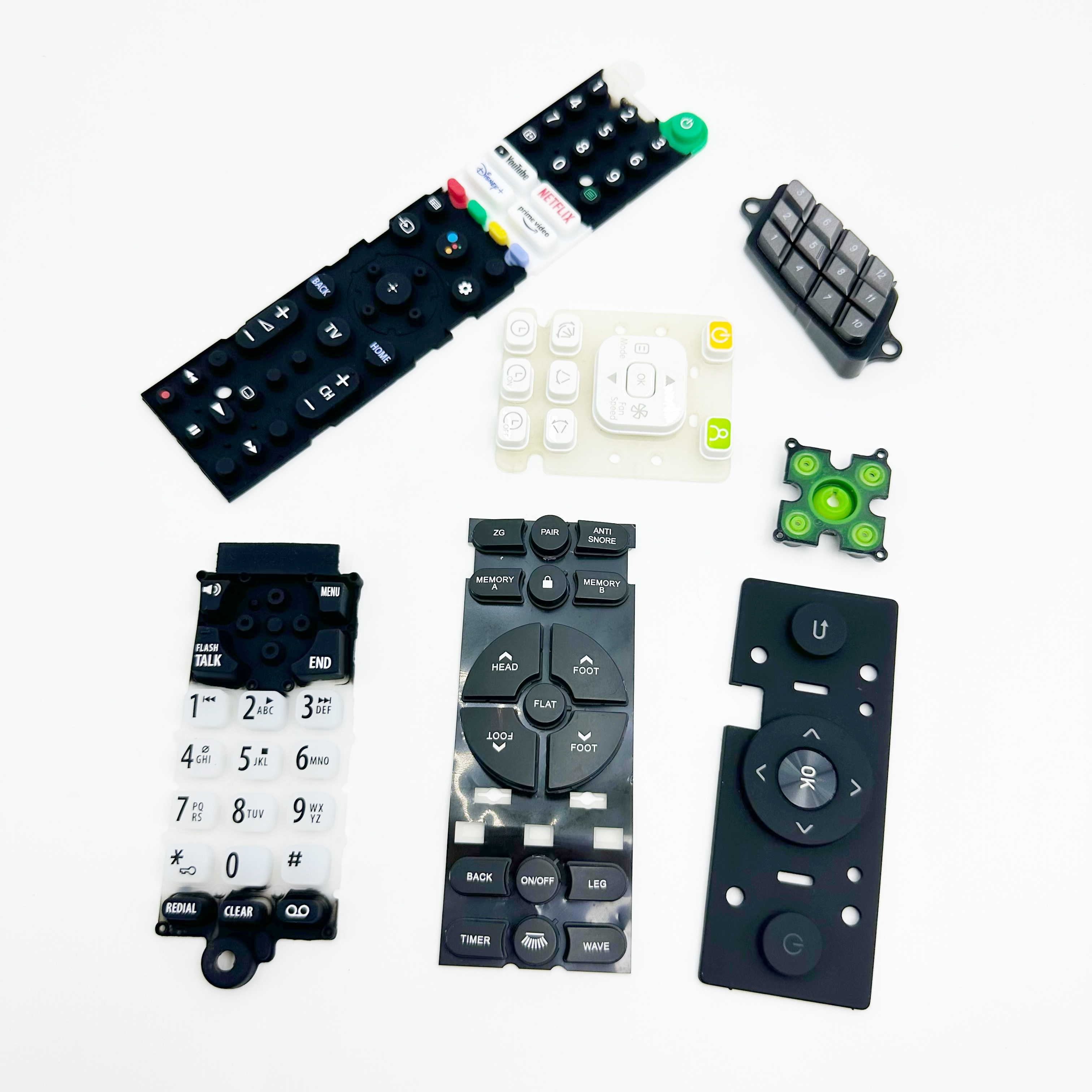
Force Sensing Resistor Circuits are an exciting and practical technology used in regular applications. These circuits have special Force Sensing sensors which are called as FSRs (Force Sensing Resistors) that work by letting you know how much pressure or force is being put on it. So today in this article we will discuss about the world of FPC membrane switch and understand all about its design, working and applications.
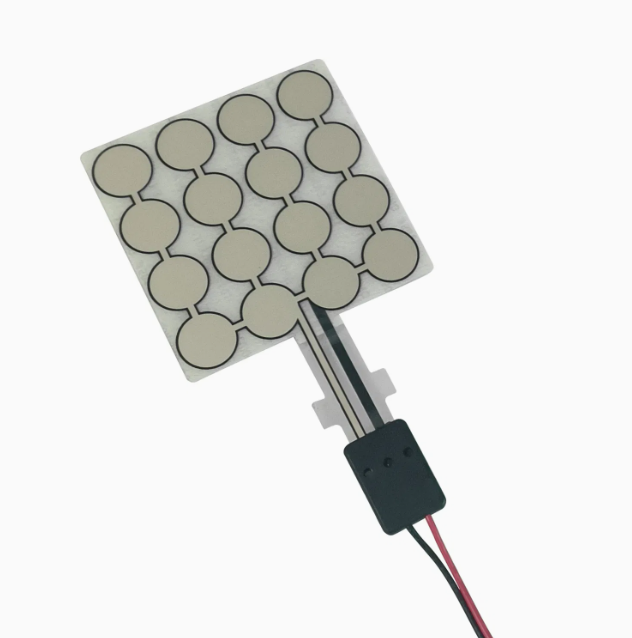
Force Sensing Resistor Technology is type of sensor technology that literally allows the device to feel and react to touch or pressure. The FSRs function by altering their electrical resistance when force is exerted upon them. That change in resistance can then be measured and converted to the amount of force being effected.
Force Sensing Resistor (FSR) Circuits Many force sensing resistor (FSR) systems include an FSR sensor, and a signal conditioning circuit coupled to a microcomputer or other processing means. The FSR sensor is mounted in the device or article in which force is to be measured. Resistance of the sensor varies with the applied pressure, which is sensed by the signal conditioning circuit. The information is then processed by this circuit and transmitted to the microcontroller for further action.
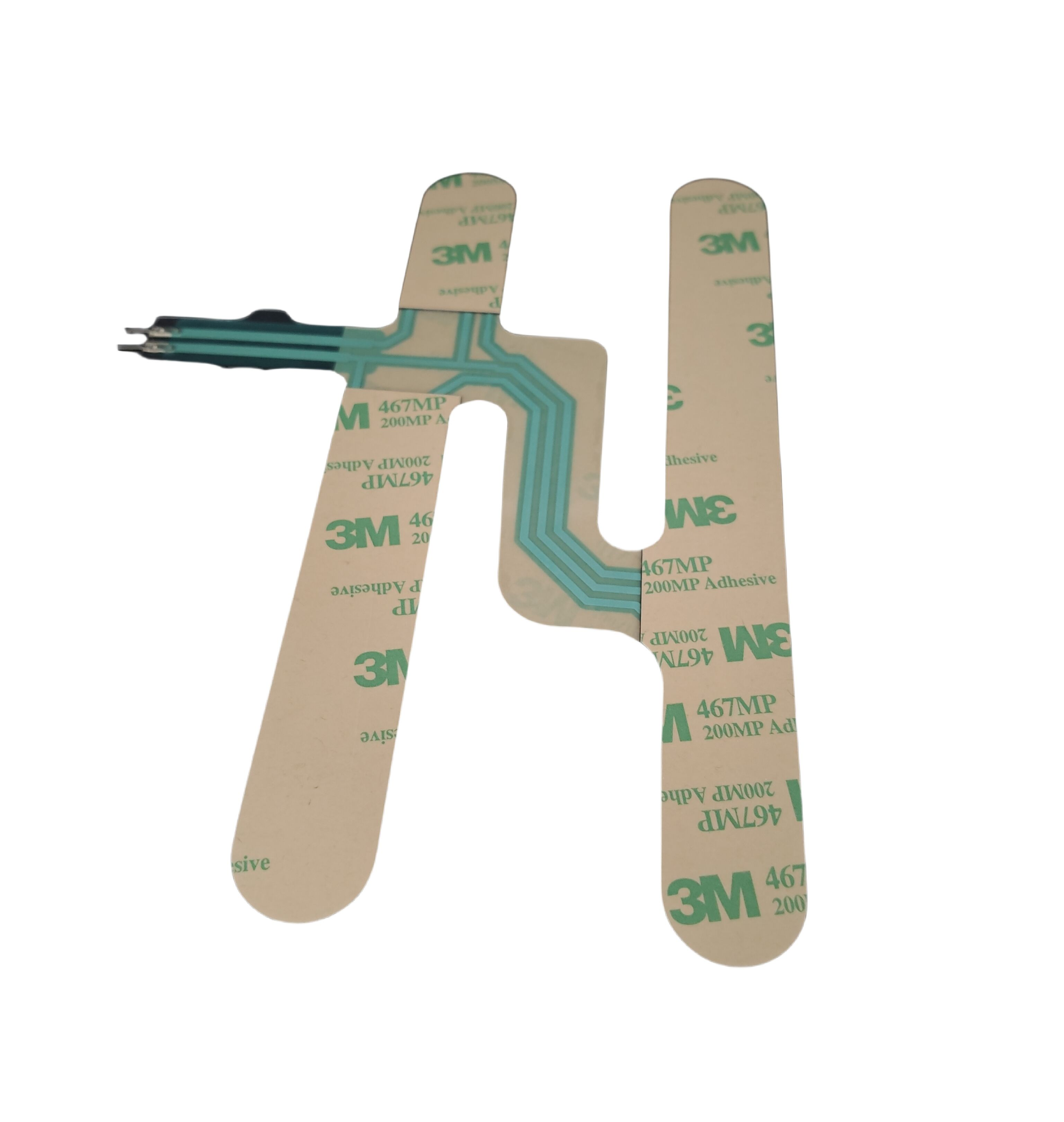
The design of a stable and consistent Force Sensing Resistor Circuit need to account for the position of the sensor, its calibration and the equivalent or related signal processing. We need to make sure it is positioned in such a way that the sensor for the sensor to be used to precisely measure the force exerted. The calibration of the sensor too is important, to have accurate and uniform readings. The signal conditioning circuit also needs to be arranged in a way that it can precisely capture and further handle changes in resistance.
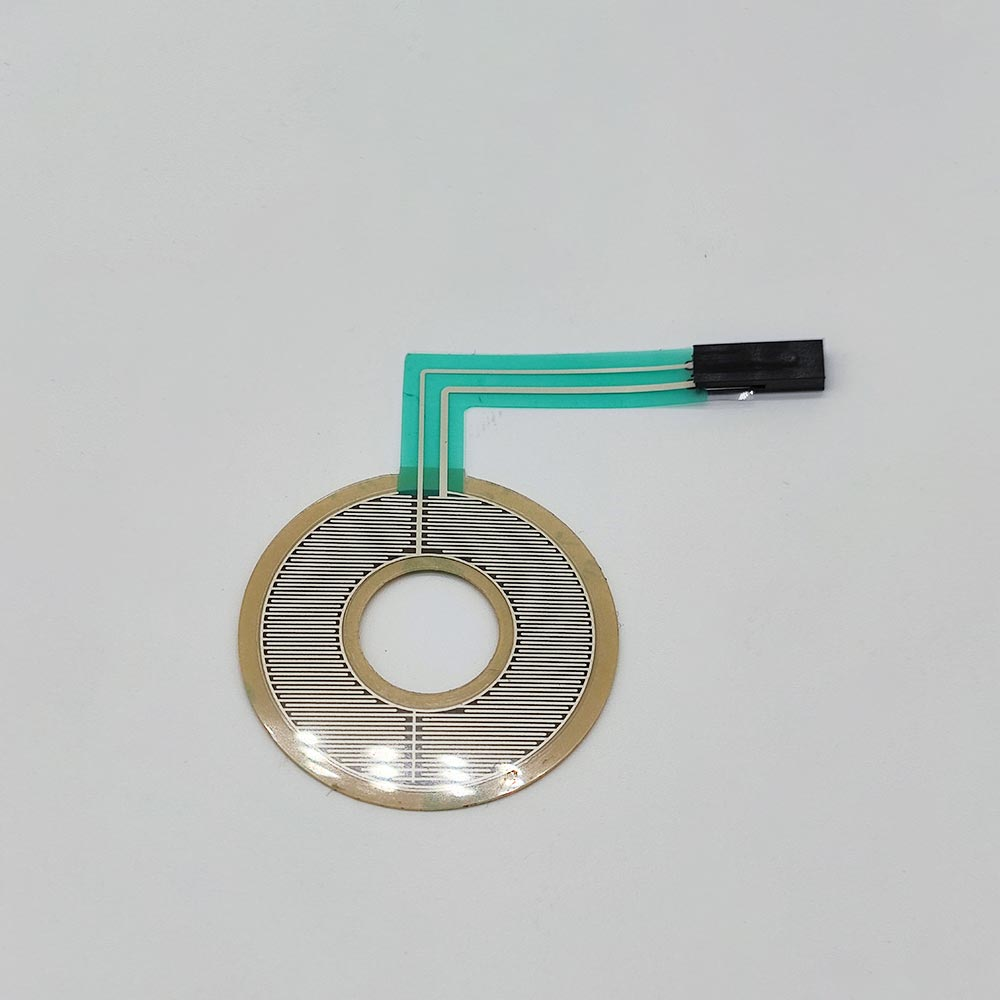
Force Sensing Resistor Circuits are used in many industries. They are widely used in the technology for touch sensitive screens, medical equipment, robotic sorting, and automotive. For the touch-sensitive screens, the FSR circuits can sense the pressure and position of the touch input. Medical devices can utilize them to track actions of a patient or force exerted during surgery. FSR circuits in robotics enable robots to actively interact with their environment through touch or pressure sensing. You also find them in automotive systems like airbag deployment systems, brake sensors.
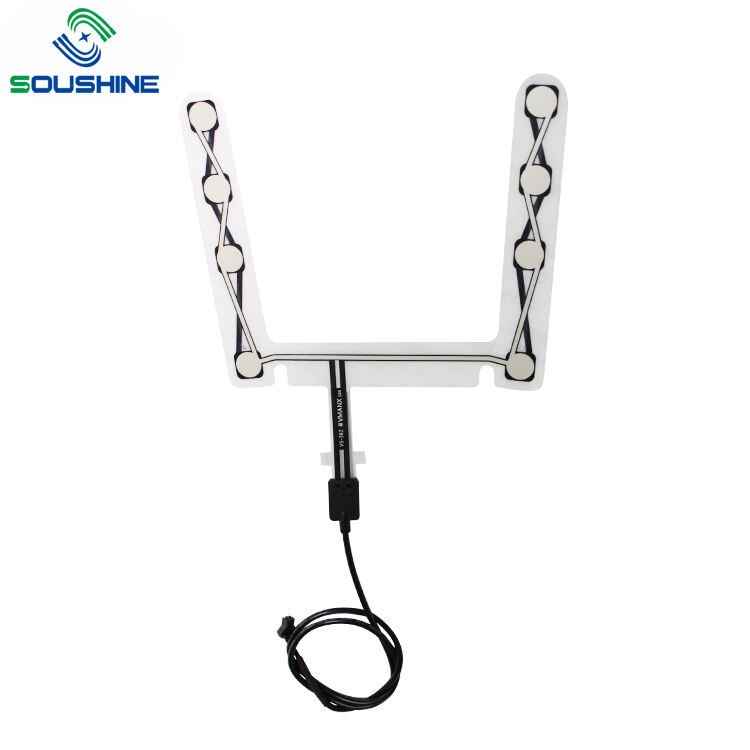
Force Sensing Resistor Circuits are not exempt from potential problems, as any technology. Common problems are sensor drift, inadequate sensitivity and interference and interference from noise. Sensor drift is what happens when the sensor readings gradually shift over time, even without a force input. This may be due to reasons such as sudden temperature change or the sensor getting old. Sensitivity problems could be due to improper calibration of the circuit or incorrect location of the sensor. The measurements can be inaccurate due to the noise interference and can be induced by other electronic or power devices near the measurements.
As a technical leader with over two decades of experience, we specialize in the integrated design, R&D, and manufacturing of precision membrane switches and FSR sensors for demanding industries such as automotive, medical, and industrial controls.
Benefit from our 24/7 online customer service, with guaranteed response within 8 hours and continuous tracking until goods are received, ensuring swift project support and reliable after-sales solutions.
Our factory adheres to strict standards, certified under ISO9001:2015, RoHS, and the ZHB Environment System, ensuring that all products meet rigorous quality, safety, and environmental requirements.
With an in-house factory equipped with 300 devices and 4 production lines, we maintain full control over the entire process—from design to delivery—enabling fast customization and accelerated project timelines for clients worldwide.

Copyright © Dongguan Soushine Industry Co.,Ltd. All Rights Reserved - Privacy Policy